Gambling myths debunked Separating fact from fiction in the world of betting
Understanding the Basics of Gambling Myths
The world of gambling is rife with myths and misconceptions that can mislead newcomers and seasoned bettors alike. Many people believe that certain strategies can guarantee wins or that specific games are rigged against players. These beliefs often stem from anecdotal experiences or misinterpretations of statistical data. For example, one common myth is that some gamblers have ‘lucky’ days where they are more likely to win, which dismisses the mathematical probabilities underlying each game. Resources such as https://polymarket.org.uk/ can help clarify these misconceptions.
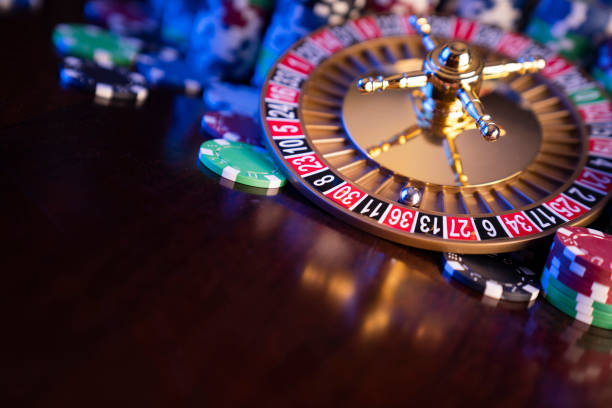
In reality, gambling outcomes are usually random. Games like slots, poker, and blackjack operate on established odds that don’t change based on previous outcomes. Understanding the randomness of these games can help bettors approach their gambling activities with a more realistic mindset. This clarity can also discourage the dangerous habit of chasing losses, often fueled by these myths, leading to more informed and responsible betting practices.
By separating fact from fiction, gamblers can focus on strategies that are based on actual probabilities rather than superstitions or false beliefs. This understanding empowers players to make smarter choices and enjoy their gambling experiences without the cloud of false expectations. The focus should be on understanding game mechanics, odds, and probabilities, rather than relying on myths that can lead to poor decision-making.
The Fallacy of ‘Hot’ and ‘Cold’ Games
One of the most prevalent myths in the gambling community is the idea of ‘hot’ and ‘cold’ games. Many players believe that if a game is paying out frequently, it will continue to do so, or conversely, that a game that hasn’t paid out in a while is due for a win. This line of thinking falls victim to the gambler’s fallacy, which misinterprets the independence of each spin or hand as being connected to previous outcomes.
In slot machines, for instance, every spin is an independent event, governed by random number generators. This means that past results do not influence future outcomes, no matter how tempting it is to believe otherwise. The notion of hot and cold streaks can result in poor betting strategies as players chase after trends that do not exist, potentially leading to bigger losses.
The Myth of Skill-Based Gambling
Another common myth is the perception that skill can always overcome luck in games like poker, blackjack, and sports betting. While skill certainly plays a significant role in these games, it is essential to understand that luck remains an inherent element of any betting scenario. Many players mistakenly believe that expert strategies can eliminate the randomness of outcomes, which is far from the truth.
In poker, for example, while experienced players may have an advantage in reading opponents and making strategic bets, the luck of the draw plays a crucial role in each hand. Similarly, in sports betting, even the most analytical strategies can be undermined by unforeseen events such as injuries or weather changes that impact the game. Understanding the balance between skill and luck is vital for approaching these games realistically.
By acknowledging the role of luck, players can temper their expectations and avoid the pitfalls of overconfidence. This balanced perspective allows for a more sustainable approach to betting, focusing on both honing skills and accepting the randomness that comes with gambling. Ultimately, players are encouraged to improve their skills while remembering that luck can never be fully controlled.
Debunking the Myth of Guaranteed Wins
The promise of guaranteed wins in gambling is a tantalizing yet misleading myth that can lead to financial losses and disappointment. Many self-proclaimed experts and systems claim to offer foolproof strategies that can outsmart the house edge. However, these guarantees are often based on cherry-picked data or misleading information, ignoring the reality of the odds involved.
Every game in a casino, whether it’s a table game or a slot machine, has a house edge built into its design. This mathematical advantage ensures that, over time, the casino will always come out ahead. Believing in guaranteed win strategies not only sets unrealistic expectations but can also lead to chasing losses, further exacerbating financial issues for players.
To maintain a healthy approach to gambling, it’s crucial to acknowledge that no strategy can eliminate the risk of loss entirely. Players should focus instead on setting limits, understanding the odds, and making informed decisions based on their financial situation. A responsible approach to betting acknowledges the inherent risks while still allowing for enjoyment of the games, keeping expectations grounded in reality.

Insights from Polymarket UK
Polymarket UK serves as a valuable resource for bettors seeking to navigate the complexities of prediction markets and various gambling options. It provides a thorough understanding of how real-money trading works, particularly in contexts like politics, cryptocurrency, and current events. By focusing on factual information and market analysis, users can engage more effectively and responsibly with the betting landscape.
The platform emphasizes clarity and transparency, helping users grasp essential concepts like market legality, potential fees, and comparative analysis with other services. This insight is invaluable for making informed decisions and avoiding the common myths that can cloud judgment in the betting world. With access to over 1,450 active markets, Polymarket UK empowers its users to explore diverse trading opportunities safely.
By utilizing the resources available through Polymarket UK, bettors can educate themselves about the intricacies of gambling, reducing their reliance on myths and enhancing their overall betting experience. This focus on knowledge helps to foster responsible gambling habits, ensuring that users enjoy their activities while being aware of the inherent risks involved.
“`
